
Placements and Clinical Experience
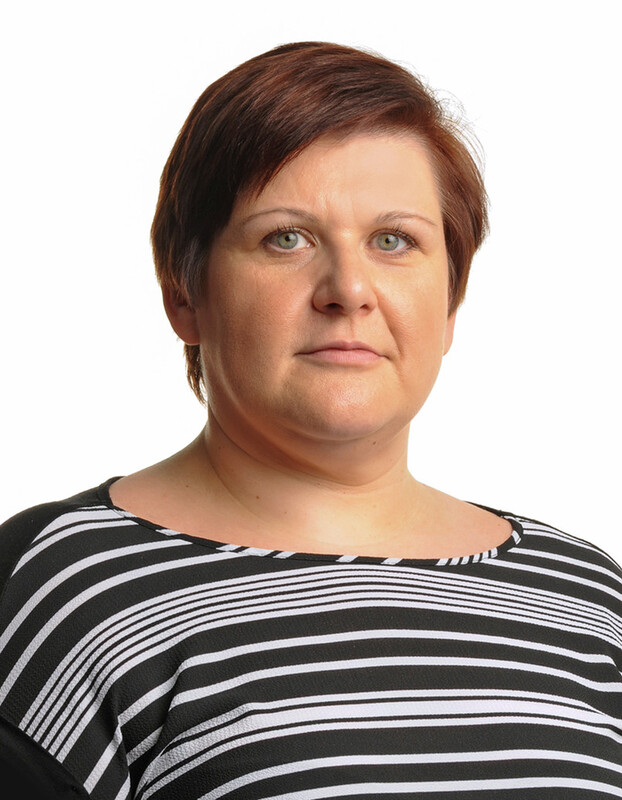
Miss Ashley Meldrum
Senior Lecturer
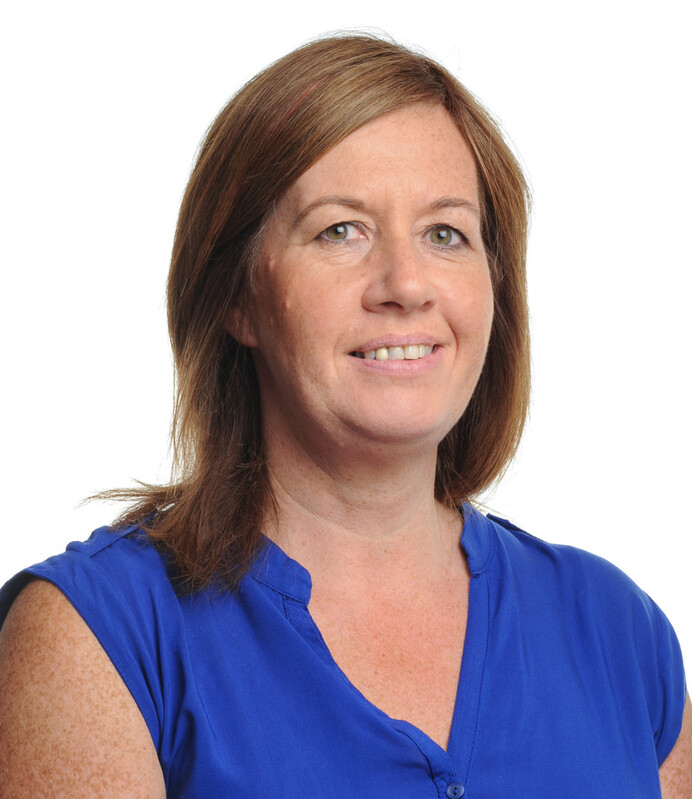
Mrs. Moraig Gordon
Clinical Educator
Topics:
- How the team supports 300+ medical students on placement
- What clinicians need to know when supervising students
- Why uniforms, lanyards, and visibility matter
- Top tips for making teaching feel less daunting in busy clinical settings
When medical students head onto wards and clinics, their learning experience relies on more than just the supervising consultant. At Aberdeen, a dedicated team of clinical educators works behind the scenes to ensure placements are safe, effective, and rewarding—for both students and NHS staff.
In this episode, Kim Walker speaks with Ashley Meldrum and Moraig Gordon, who oversee student placements across Years 1–5. Their conversation sheds light on what it takes to manage placements in a busy health service, and how strong relationships with clinicians are central to student success.
Who Are the Educator Team?
Far from being office-based administrators, Ashley and Moraig describe a hands-on role. Dressed in recognisable uniforms, they are a visible, approachable presence in wards, clinics, and teaching spaces. Their team ensures students are properly introduced, problems are addressed quickly, and clinicians feel supported in their teaching role.
Making Placements Work
From Year 1 students shadowing for an hour, to Year 5 students embedded in teams for eight weeks, placements vary hugely. The educator team helps coordinate schedules, liaises with supervisors, and even steps in when staff shortages or emergencies threaten learning opportunities.
They stress the importance of being flexible and responsive: moving groups around when wards are overstretched, checking in after difficult incidents, and helping clinicians balance education with patient care.
Uniforms, Visibility, and Belonging
One of the biggest recent changes has been the introduction of student uniforms and lanyards. Black scrubs for medical students, with distinctions between junior and senior years, make them instantly recognisable on wards. This shift improves safety, helps staff know students’ levels, and fosters a sense of belonging.
As Ashley notes, it also reduces the pressure of dress codes and makes placements more inclusive, particularly for widening access students.
What Makes a Good Placement?
The answer is simple: welcome students, involve them, and teach at the bedside.
Ashley and Moraig highlight that teaching doesn’t need to be time-consuming. Taking students along on ward rounds, explaining clinical reasoning out loud, or simply making space for them in team discussions all count as valuable teaching.
Even when wards are stretched, students learn from observing teamwork, communication, and professionalism, the so-called “hidden curriculum.”
Supporting Both Sides
The team emphasises that their role is not just about students, but also about clinicians. They act as a bridge, introducing themselves to new consultants, ensuring supervisors understand the Aberdeen curriculum, and stepping in if issues arise. They also provide feedback and recognition, celebrating when students give glowing reports about their clinical teachers.
Final Thoughts
Placement teaching doesn’t need to be perfect, it needs to be welcoming, responsive, and real. With the support of the educator team, clinicians can focus on their patients while knowing students are being guided through the complexities of early clinical practice.
As Morag puts it:
“Teaching happens everywhere. Just letting students come along on your ward round can make a huge difference.”