

Leadership in Medical Education
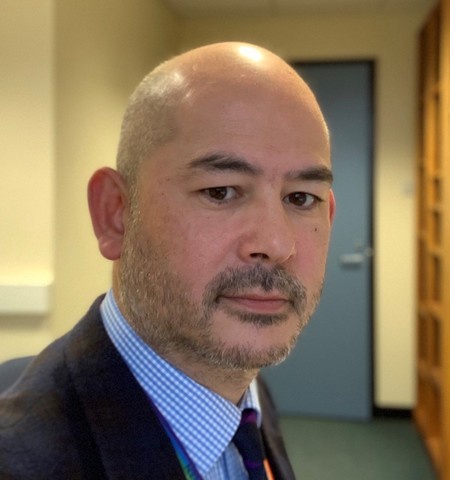
Prof. Colin Lumsden
Director of the Institute of Education in Healthcare and Medical Sciences
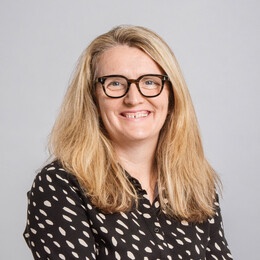
Dr. Wendy Watson
MBChB Lead
Topics:
- Vision and challenges of leading a modern medical school
- Balancing student growth with clinical placement quality
- The evolving role of the clinical educator in 2025
- Integrating AI and uncertainty into teaching
- Why co-production with students and residents is essential for success
How do you maintain the excellence of a nationally top-ranked medical school while facing rising student numbers, NHS pressure, and constant innovation? For Dr. Wendy Watson and Professor Colin Lumsden, the answer lies in teamwork, adaptability, and forward-thinking leadership.
In this reflective and forward-looking episode, Kim Walker hosts an engaging conversation with two of the newest leaders in Aberdeen’s medical programme. Wendy Watson, MBChB Programme Lead, and Colin Lumsden, Director of the Institute of Education in Healthcare and Medical Sciences, share their experiences stepping into leadership during a time of transition, and their vision for the years ahead.
Facing Change with Confidence
Both guests acknowledge that the landscape of healthcare and education has shifted dramatically, from digital innovation and AI integration to expanded student intakes and changing clinician roles. But rather than being daunted, they see opportunity: to modernize the curriculum, support educators, and build a strong, community-oriented teaching culture across a dispersed campus network.
One recurring theme is maintaining quality, not just in academic outcomes, but in the lived experience of students and educators alike. While Aberdeen continues to lead in national rankings, both leaders emphasize that sustaining that excellence means constant evolution.
Teaching for Uncertainty, Not Just Knowledge
The episode also explores the idea that traditional knowledge transmission isn’t enough. Today’s educators must help students navigate uncertainty, manage risk, and develop clinical reasoning. That means shifting from didactic content to more facilitative, discussion-based teaching, and ensuring clinical placements go beyond observation.
As Wendy puts it, “It’s not just about passing exams. It’s about preparing students to be safe, effective, and reflective practitioners in a complex healthcare environment.”
Digital Tools, Co-Production & AI
Colin and Wendy reflect on the role of AI and digital transformation in medical education, recognizing the power of tools like ChatGPT while cautioning against over-reliance. They also highlight the rise of co-production, involving students and junior doctors in the development of teaching, simulation, and assessment tools to ensure relevance and engagement.
Support for Clinical Educators
Recognizing the pressures on clinicians, the episode offers practical encouragement to those delivering bedside teaching. The message: you don’t need to reinvent your practice to be a good educator. Small, authentic interactions, supported by curriculum designers and tools like TURAS can make a huge difference.
- Educators can get involved in a variety of ways:
- Supervising students on the ward
- Becoming regents (long-term student mentors)
- Participating in assessments or curriculum development
- Attending faculty development days to build confidence and skills
Final Message
Leadership in medical education isn’t about hierarchy, it’s about collaboration. As Aberdeen faces a future of larger classes, more complex systems, and fast-changing technologies, this episode offers reassurance and direction: by staying connected, curious, and student-centered, educators can rise to the challenge.