The role of simulation in Medical Education

Dr. Jerry Morse
Senior Lecturer, Lead for Clinical Simulation
Topics:
- The many forms of simulation, from mannequins to patient partners
- Why simulation is embedded across all five years of the curriculum
- How immersive rooms, AI tools, and lifelike mannequins transform learning
- The challenges of scaling simulation as student numbers grow
- Opportunities for clinicians and senior students to contribute
Simulation isn’t just about high-tech mannequins or VR headsets, it’s about giving students safe, structured opportunities to practice skills before they face them in the real world. At Aberdeen, simulation has become a cornerstone of medical education, preparing students from their first week of Year 1 right through to their final exams.
In this episode, Jerry Morse, Lead for Clinical Simulation and Year 3, explains why simulation matters, how it’s used across the curriculum, and what it means for educators and students alike.
What Counts as Simulation?
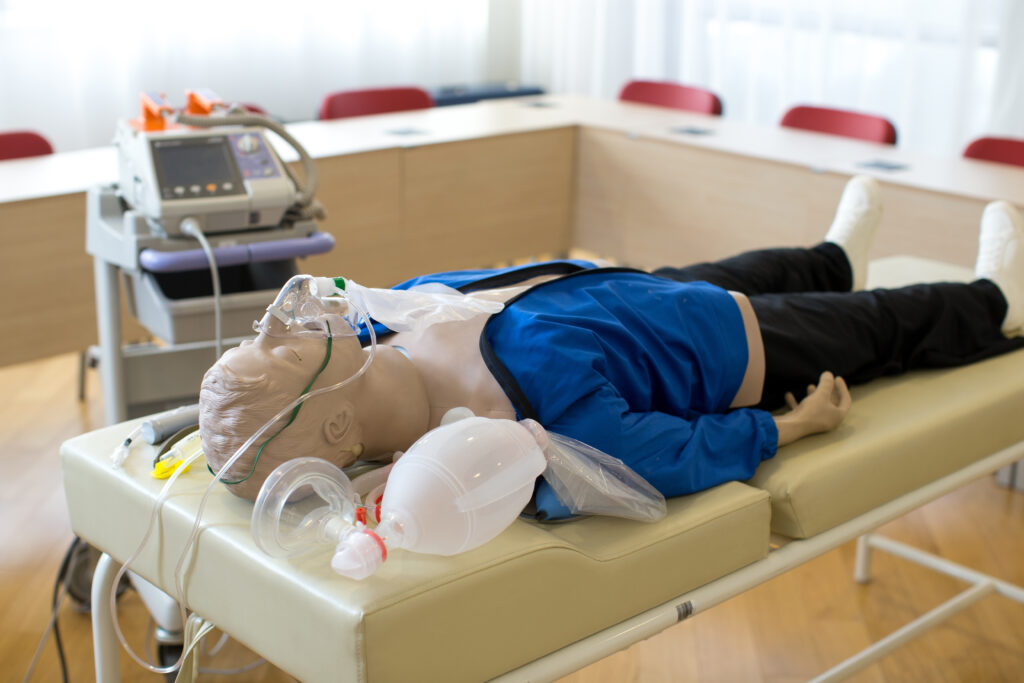
Jerry points out that simulation isn’t limited to fancy equipment. It can be as simple as practicing skills with a block of wood or as complex as a £90,000 human patient simulator. The key is choosing the right tool for the right learning outcome.
Simulation at Aberdeen spans:
- Basic skills: clinical skills training, communication exercises, and resuscitation practice.
- Patient partners: real people helping students learn bedside manner and consultation.
- High-fidelity mannequins: for acute scenarios like cardiac arrest or deteriorating patients.
- Immersive rooms & VR: transforming environments into wards, theatres, or even pre-hospital settings.
From Year 1 to Year 5
Traditionally, simulation was reserved for senior students. But Aberdeen’s simulation strategy now embeds it from the very start:
- Year 1: orientation sessions and basic skills.
- Year 2–3: simulation supports clinical reasoning when patient contact is still limited.
- Year 5: high-pressure scenarios where students act as F1 doctors managing multiple patients.
Students increasingly see simulation as not just useful, but essential—especially after COVID limited clinical exposure.
The Value of Simulation
Simulation offers unique advantages:
- Repetition: scenarios can be repeated consistently for every student.
- Equity: seasonal or rare conditions (like croup in July) can still be experienced.
- Safety: mistakes become learning opportunities without risking patient care.
- Confidence: students feel better prepared for their first clinical jobs.
As Jerry notes, students often leave simulations saying
“Now I know what it’s going to feel like as an F1.”
Technology at the Cutting Edge
Aberdeen’s facilities are among the most advanced in the UK. Innovations include:
- Life cast mannequins designed with film studios to look strikingly real.
- AI Simulate, a hybrid system where live patient partners are paired with simulated monitors.
- Immersive simulation rooms, recreating any environment from operating theatres to ambulances.
EDI-focused mannequins, ensuring representation across ethnicity and gender.
Scaling Up: Challenges Ahead
With student numbers rising, simulation will be more important than ever in supplementing ward-based teaching. But it’s also resource-intensive, requiring staff, space, and faculty training.
Jerry and colleagues are exploring creative solutions, such as expanding peer-assisted learning (PAL) into a student simulation faculty, where senior students help deliver sessions and lead debriefs under supervision.
How Educators Can Get Involved
Jerry’s message is clear: come and talk to us. Educators can:
- Observe or join existing sessions.
- Take part in simulation faculty development days.
- Train in scenario delivery and debriefing.
- Contribute to expanding simulation across remote and rural sites in Inverness, Elgin, and the islands.
Support and training are in place, no prior experience required.
Takeaway
Simulation is no longer an add-on, it’s a central part of preparing students for clinical practice. By combining technology, creativity, and collaboration, Aberdeen is ensuring its graduates enter the NHS with the skills, confidence, and adaptability they need.
And for educators, the invitation is open: whether you’re a consultant, junior doctor, or allied health professional, there’s a place for you in shaping the simulation journey.