

Year 1 to 3 of the MBChB
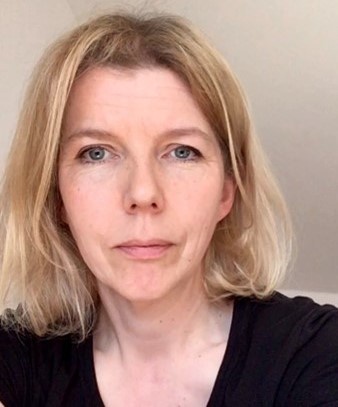
Dr. Alison Jack
Year 1 Lead

Dr. Pietro Marini
Year 2 Lead

Dr. Jerry Morse
Year 3 Lead
Topics:
- The structure of learning across Years 1–3
- What clinicians should expect from junior students
- How to support students who are still building confidence
- Why engagement, enthusiasm, and access matter
Teaching medical students in their first three years is very different from working with final-year students, but equally important. In this episode, we hear from the academic leads responsible for guiding students through their early training: Alison Jack (Year 1), Pietro Marini (Year 2), and Jerry Morse (Year 3 and Simulation Lead). Together, they offer insight into how students progress from lecture-based learners to clinical contributors, and how clinical educators can support that transformation.
Year 1–3: From Theory to Application
The early years as a kind of inverted pyramid: Year 1 is dominated by lectures and structured classroom teaching, with only occasional ward visits. Year 2 blends clinical context with academic content, and by Year 3, students are spending significant time in placements, interacting directly with patients.
While the teaching methods shift, the focus remains clear: these years are about building confidence, clinical reasoning, and professional identity.
What Educators Need to Know
One key message is that clinical educators need to adjust their expectations based on a student’s stage of training. Year 1 students may know very little clinically, but Year 3s can be trusted with structured tasks under supervision. Lanyard colours and placement scheduling help signal who’s who, but communication is key.
Educators are encouraged to:
- Involve students in real tasks (within scope)
- Offer explanation alongside action (“I’m doing this because…”)
- Model clinical behaviour and attitude
- Be flexible and welcoming, especially in busy environments
The Changing Face of Medical Students
The panel also explores how the student population is changing. With widening access initiatives, varied social backgrounds, and post-COVID learning habits, today’s students are not the same as a decade ago. They bring strengths, and different expectations.
- Clinical educators should be aware of:
- Diversity in preparedness and social capital
- The need to nurture confidence through inclusion and trust
- Supporting engagement rather than relying solely on self-directed learning
Placements Matter, But Students Must Engage
The team expresses concern about missed placements: NHS staff are working hard to offer valuable clinical experiences, but when students don’t show up or disengage, those opportunities can be lost. The message is clear: clinical time is critical, and passive attendance isn’t enough.
Meanwhile, alignment between academic blocks and placement content remains a work in progress, something the team is actively trying to improve.
More Than Just Ward Teaching
Kim and the team also discuss the range of educational opportunities available to clinical staff:
- Small-group teaching
- Simulation
- Writing and reviewing exam questions
- OSCE assessments
- Involvement in SSCs and interviews
If you’re a clinician who wants to teach, there’s a place for you. And you don’t need to be a seasoned consultant to get involved.
Takeaway: Everyone Is a Teacher
What makes a great educator? According to Alison, Jerry, and Pietro: enthusiasm, inclusion, communication, and letting students safely get involved. Whether you’re supervising a bedside interaction or leading a problem-solving session, you’re shaping the doctors of tomorrow.
- Top Tips for Clinical Educators:
- Don’t be afraid, get in touch and get involved
- Trust students to try things with support
- Be aware of who you’re teaching and where they’re at
- Ask for curriculum guidance, it’s available
- Remember: just being present, enthusiastic, and welcoming makes a difference