
Why MBChB at the University of Aberdeen
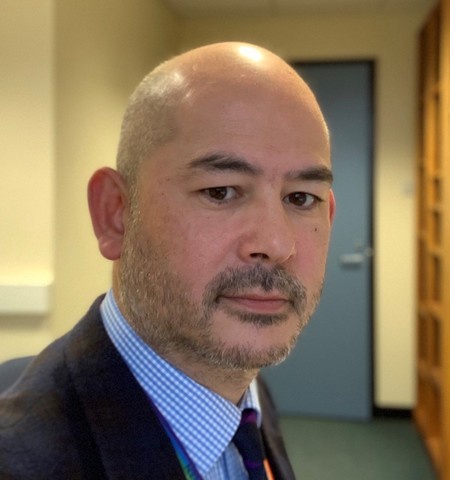
Prof. Colin Lumsden
Director of the Institute of Education in Healthcare and Medical Sciences
Topics:
- The post-COVID transformation of medical training
- Clinical integration, AI, and technology in teaching
- Supporting educators and NHS partnerships
- Widening participation, anti-racism, and curriculum decolonisation
- What new clinical educators need to know
In our conversation, Colin talked us through his journey from clinical practice to national education leadership, and what brought him back to Aberdeen, a place he still calls home. As MBChB Programme Lead, he’s helping us shape a vision that’s rooted in academic rigour but just as focused on inclusivity, adaptability, and preparing students for the realities of medical practice.
From Foundations to Final Year: A Curriculum That Reflects Real Life
One of the things we spoke about was how Aberdeen’s MBChB is structured, with the first three years focused on academic and professional foundations. Then, in years four and five, students move into more immersive clinical learning. By the final year, they’re almost embedded in clinical environment.
That approach really proved itself during the pandemic. Our students stepped up, contributed meaningfully, and gained the kind of experience you don’t get from textbooks. It’s preparation that lasts well beyond graduation.
Widening Participation and Making the Curriculum Work for Everyone
We also dug into some big topics – things like fairness, representation, and how we can make real progress on both.
That includes widening access for students, strengthening relationships with rural locations, and supporting those from underrepresented backgrounds. Colin also spoke about how student voices have helped shape our anti-racism work, from decolonising the curriculum to improving campus accessibility and support networks.
As he put it:
“I want us to be open to all.”
Staying Connected: NHS Partnerships and Remote Collaboration
It’s clear that our strength isn’t just in the curriculum, but in the relationships that surround it. Our close partnership with NHS Grampian, along with other health boards across Scotland, gives students a range of clinical experiences that feel real from the start.
Our rural and remote education model means students train in a wide variety of settings. And since the pandemic, we’ve improved how we stay connected across regions and keep standards high, no matter where students are based.
Educator Support: You Don’t Have to Be a Professor to Make a Difference
If you’re thinking about getting involved in medical education, Colin had one message: you don’t need to be a professor, or even a senior academic or consultant, to make an impact.
Whether you’re a resident, GP, or consultant, there are lots of ways to contribute. That might be small group teaching, writing assessments, mentoring students, or feeding into curriculum design.
And there’s support on offer:
- Trainer recognition workshops
- CPD resources hosted on Turas
- A growing community of educators and mentors to connect with
Looking Ahead: Growth That Stays Grounded
With student numbers rising from 180 to 300 each year, we spoke about what this means for the future. Colin was honest about the challenges: expanding clinical placements, keeping standards high, supporting staff, but also sees it as a real opportunity.
The priorities are clear:
- Keep Aberdeen among the UK’s top medical schools, not just by the numbers, but by experience and outcomes
- Build on our strengths in pastoral care and inclusivity
- Embrace new areas like AI
- Grow clinical capacity while protecting staff wellbeing
Final Thoughts
Medical education is changing, and quickly. There are real pressures. But what came through in our chat with Colin is that by listening, adapting, and staying focused on the people at the heart of it all we’re in a strong position to keep leading.
Whether you’re already part of our community, thinking of joining, or just interested in how medical education is evolving, we hope this gives you a sense of where we’re heading, and why we’re excited about what’s next.