

Year 1 of the MBChB
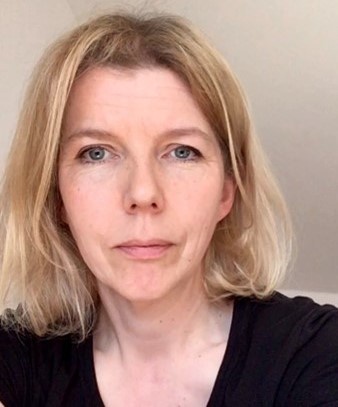
Dr. Alison Jack
Director of the Institute of Education in Healthcare and Medical Sciences
Topics:
- What new students can expect in Year 1
- Balancing academic rigour with personal support
- Early clinical exposure and inter-student mentoring
- Professionalism, resilience, and managing the “volume shock”
- How clinicians and educators can get involved
In this episode, we discuss with Alison Jack, the academic lead for Year 1, her perspective on guiding hundreds of students each year through the foundational stages of becoming a doctor.
Building a Foundation—Academically and Socially
First-year students arrive from a wide range of backgrounds: straight from school, graduate entry, or widening access pathways. There is a focus on equalising academic knowledge, offering courses like Foundations of Medicine, early anatomy sessions, and role-played clinical skills with patient partners. This is also the start of system-based teaching (starting with the respiratory and cardiovascular systems), bringing students closer to the medical content they may have imagined before applying.
The biggest surprise for many students? The sheer volume of work. Alison explains that while the material itself isn’t always conceptually difficult, it’s relentless in pace and depth, requiring students to develop time management and resilience quickly.
Early Clinical Exposure & Peer Support
Aberdeen’s Year 1 students aren’t confined to lecture theatres. They:
- Engage in clinical skills
- Meet patient partners early in the curriculum
- Engage with Year 5 students to observe ward practice
- Benefit from multiple layers of peer mentoring, including MedSoc’s “Mum & Dad” system, senior mentors, and peer-assisted learning (PALS) schemes
These peer connections help reduce anxiety, build community, and support the learning of both junior and senior students.
Professionalism from Day One
Alison is clear: professional behaviour isn’t optional, it’s essential and it starts the moment students step onto campus.
Students are expected to:
- Show respect for peers, staff, and patients
- Be mindful of conduct on social media
- Demonstrate maturity in every interaction, not just in assessments
Professionalism is woven into all aspects of teaching, reinforced through personal interaction, and modelled by staff and student mentors alike.
Supporting the Whole Student
Aberdeen is recognised for its robust student support systems. Whether a student is struggling academically, mentally, or personally, there are multiple options for help:
- In-house pastoral support from staff like Alison and the year admin team
- University-wide counselling and wellbeing services
- Disability and occupational health support for tailored learning accommodations
- Exit pathways for students who decide medicine isn’t right for them, ensuring dignity and support throughout the process
For Alison, the goal is simple: ensure that every student is happy, healthy, and set up to thrive.
Clinical Educators: Want to Get Involved?
If you’re a clinical educator interested in supporting Year 1:
- Get in touch with the Clinical Skills Lead for ward-based or clinical teaching
- Contact Alison directly if interested in lectures, tutorials, or academic blocks
- Opportunities exist in anatomy, clinical skills, patient partner sessions, and block-specific teaching
- No teaching experience? No problem. Support is available to help you get started
Aberdeen welcomes both junior and senior clinicians who are keen to support students at this crucial early stage.
Final Thoughts
The message from Alison for all incoming students is to work hard, play hard, and don’t be afraid to ask for help. The community at Aberdeen is there to support you, and the friendships and experiences you gain could last a lifetime.
This episode explores how Year 1 of the MBChB builds a strong foundation and what it really involves. It can set the tone for an entire career in healthcare.